From Web Graphic Designer to UX Enthusiast: My Early Journey into UX and Interaction Design
Between March 2004 and August 2007, I worked at V4web and Fractal Ink Design Studio as a Junior Web Designer. During this time, I contributed to various web design projects that challenged me to think beyond aesthetics. My experience included handling complex,information-heavy websites, where I began to explore interaction design, information architecture, and front-end technology. These formative years sparked my passion for UX design.
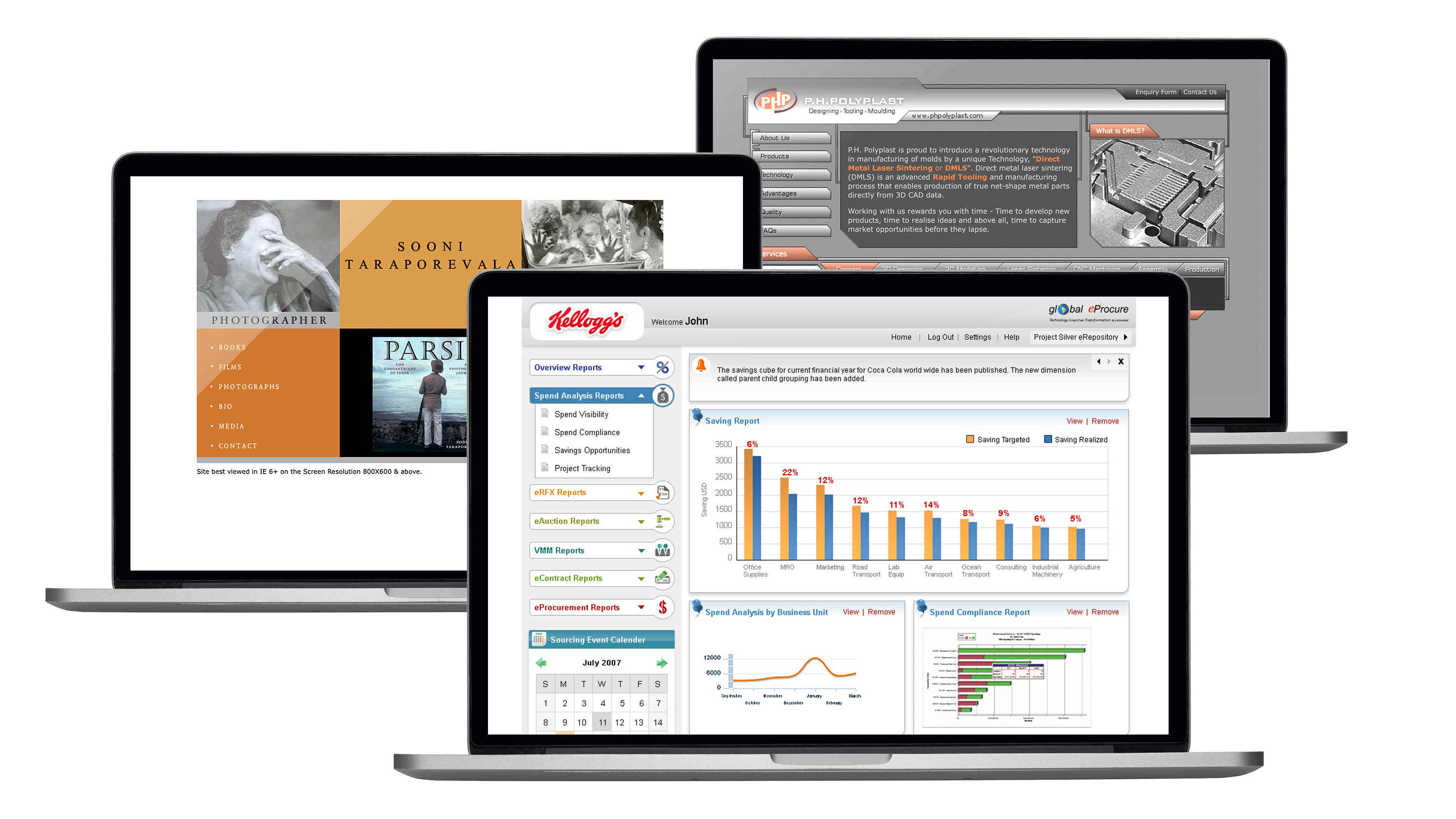
Rapidly evolving web design
In the early 2000s, the web was a rapidly evolving space with significant constraints—limited data speeds, basic browser capabilities, and low machine configurations on the client side. Designers relied heavily on image editing software, which required creative solutions for maintaining design files and specifications. I was part of teams at V4web and Fractal Ink, where I worked on diverse projects ranging from corporate websites to web applications, balancing the unique demands of both print and online design.
An era before standard web templates
During this period, I worked on: Corporate website designs for industries like chemicals, requiring clear information architecture. A personal website for an author and photographer, blending creativity with professionalism. A business school’s website focused on organizing educational content. Early web application designs, where I started exploring user interaction beyond static pages.
Goals
The main challenge was designing within the technical constraints of the time while managing complex content. Websites needed to be both visually appealing and easy to navigate, even on low-performance machines. Additionally, I had to ensure that the designs were adaptable for both print and online media, learning to balance the distinct needs of these different formats.
My objectives were to
- Simplify navigation and content structure for complex websites.
- Experiment with early interaction design principles to improve usability.
- Learn front-end technology to ensure effective implementation.
- Adapt designs for both print and digital media, maintaining brand consistency.
Design process
My design process was iterative and collaborative. I started by creating wireframes to establish a clear information hierarchy and then refined the designs based on feedback from senior designers and clients. Throughout the process, I worked closely with front-end engineers to ensure that the designs were not only visually compelling but also technically feasible.
This period was crucial in shaping my design philosophy. I learned to navigate the technical constraints of the time, balancing creative and practical needs across different media. My curiosity and eagerness to learn from client interactions helped me grow from focusing on visual design to embracing a broader, more strategic approach.
These early projects ignited my passion for UX design. Looking back, I would incorporate more advanced UX methodologies if revisiting these projects today. The experience also emphasized the importance of adaptability and continuous learning, qualities that have driven my career forward.